|
|
|
|
| SIMPLE BACKSTROKE | ||
|
PS: Swimming-strokes which are shown in bold are being discussed on this page. |
||
|
|
|
|
| Legend: | |
|
* |
= a difficult swimming-stroke to swim or impractical |
|
|
![]() |
|
|
||
|
|
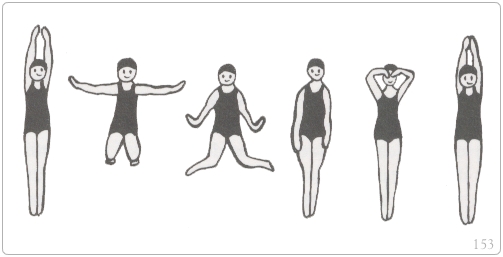
This swimming-stroke looks like the Simple backstroke
where the armstroke is a so-called double overarmstroke. The arms are simultaneous
pulled through (a full pull through) followed by a reasonbly long gliding-phase
(2-3 seconds).
|
|
|||
|
|
|
|
|||
|
|
|
![]() |
|
|
|
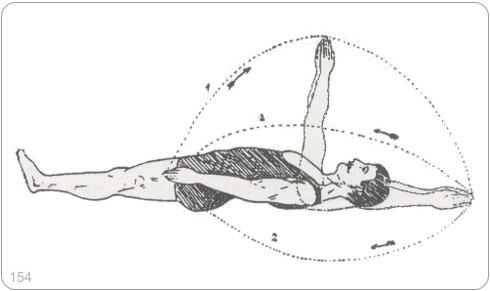
This swimming-stroke looks like the Long backstroke.
With this stroke the arms are not pulled over on a low level, just like
with the Long backstroke, but on a higher level with stretched arms. Little is
known about this swimming-stroke.
|
|
|
|
|
|
|
|
|
|
![]() |
|
|
||
|
|
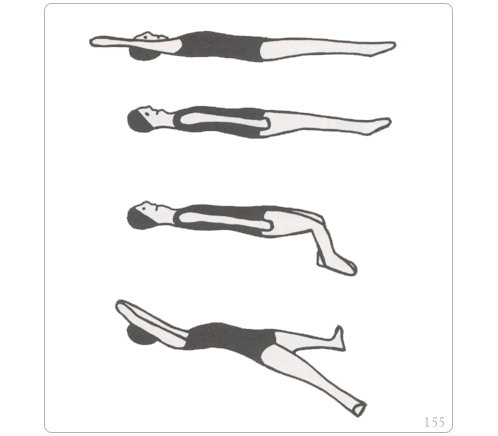
The English backstroke is the modern version of the Long backstroke.
This swimming-stroke looks like the Long backstroke
(see first stroke on this page) and exist out of two long gliding-phases.
That means that a gliding-phase follows when the arms are stretched next
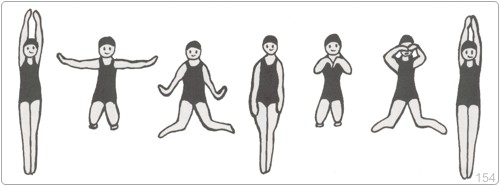
to the body and when the arms are in front of the body. Combination of the arms and legs: almost short ![]() The English backstroke, however, can also be swum with a different combination of the arms and legs. Below you can see the double backstroke
|
|
|||
|
|
|
|
|||